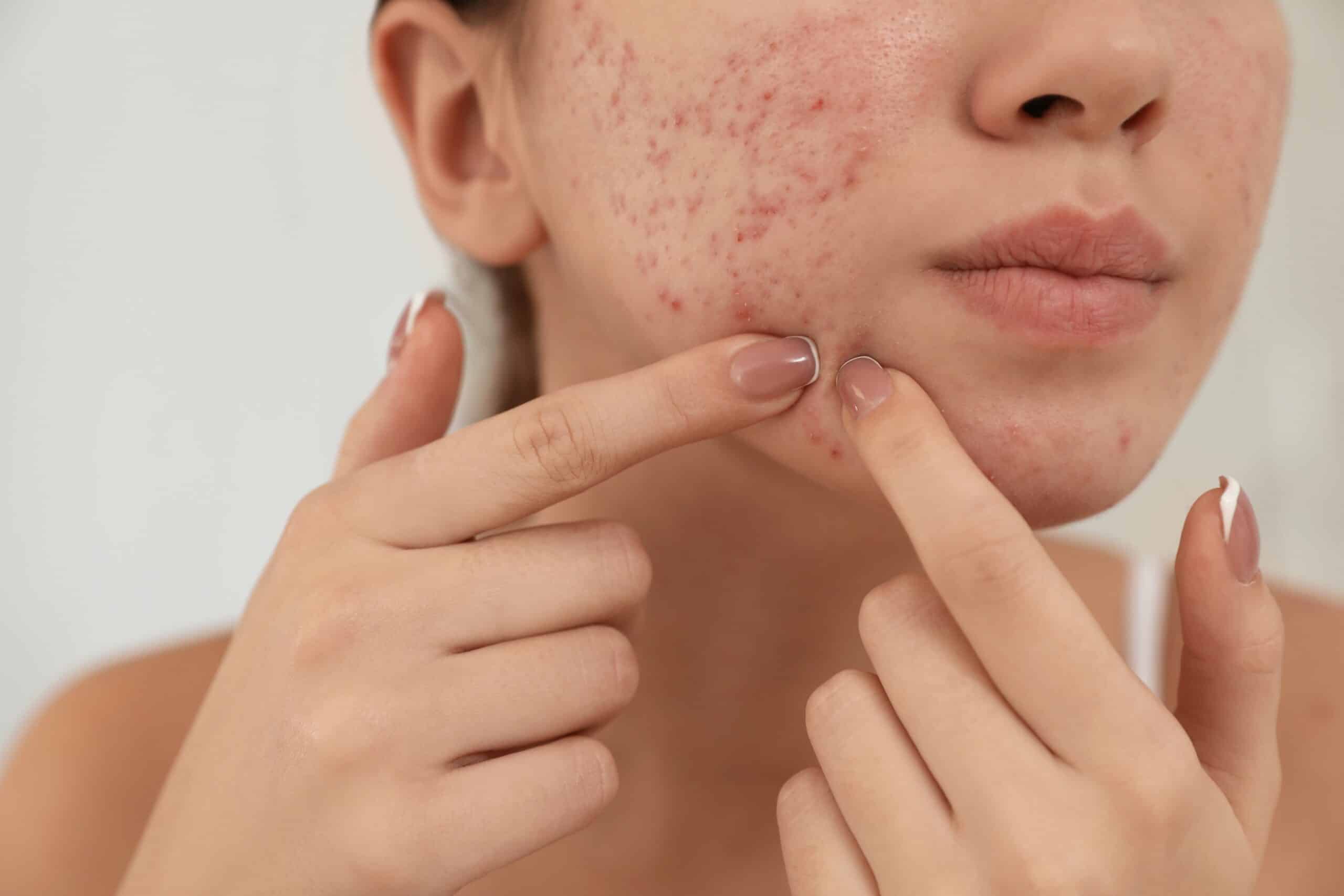
Advanced Fractional Laser Solutions for Acne and Scars
Acne and acne scars are among the most common skin concerns affecting both appearance and self-confidence. In Izmir, fractional laser treatment offers an effective dermatological solution by targeting damaged skin layers and stimulating the skin’s natural renewal process. At Dr. Orhan Demirer’s dermatology clinic in Alsancak, fractional laser technology is used to improve acne scars, pigmentation irregularities, fine lines, and enlarged pores with personalized treatment plans.
What Is Fractional Laser?
Fractional laser is an advanced laser technology that creates microscopic treatment zones in the deeper layers of the skin while leaving surrounding tissue intact. This controlled micro-injury triggers the body’s natural healing response, leading to collagen production and skin renewal.
How Fractional Laser Works
The laser forms tiny channels in the skin that help to:
Repair damaged tissue
Tighten enlarged pores
Improve uneven skin tone
Reduce fine lines and textural irregularities
As healing progresses, the skin becomes smoother, firmer, and more even in appearance.
Effects of Fractional Laser on Acne and Acne Scars
Fractional laser is particularly effective for acne-related skin concerns due to its collagen-stimulating properties.
Reduction of Acne Scars
Depressed and irregular acne scars are gradually smoothed as new collagen forms, improving overall skin texture.
Improvement in Skin Tone and Texture
Pigmentation and discoloration are reduced, resulting in a brighter and more uniform complexion.
Pore Tightening and Skin Firming
Enlarged pores become less visible, and the skin gains a firmer, more refined structure.
Fractional Laser Treatment Process
Each treatment is planned according to the individual’s skin type and scar severity.
Dermatological Assessment
The skin is carefully examined, and a personalized treatment protocol is created.
Preparation and Anesthesia
A topical anesthetic cream is applied to enhance comfort during the procedure.
Laser Application
Fractional CO₂ laser energy is delivered to the targeted areas, stimulating collagen and skin regeneration.
Post-Treatment Recovery
Mild redness and swelling may occur and typically resolve within a few days. Sun protection and adherence to aftercare instructions are essential for optimal results.
Who Is a Suitable Candidate for Fractional Laser?
Fractional laser treatment may be suitable for individuals with:
Acne scars
Uneven skin tone or pigmentation
Fine lines
Enlarged pores
Important Note
Fractional laser is not recommended during pregnancy, active skin infections, or in certain dermatological conditions. A professional evaluation by a dermatologist is necessary before treatment.
Frequently Asked Questions
How does fractional laser improve acne scars?
It creates controlled micro-channels in the skin, activating the healing process and collagen production, which helps reduce scar depth and smooth skin texture.
Is fractional laser suitable for everyone?
It is safe for many skin types, but active infections, open wounds, or specific skin conditions require prior dermatological assessment.
Is the procedure painful, and how long does it take?
Most patients experience mild warmth or stinging. Sessions usually last 20–40 minutes, with topical anesthesia ensuring comfort.
How many sessions are needed to see results?
Typically, 3–6 sessions are recommended depending on scar severity. Improvements appear gradually, with continued skin renewal over several months.
What should be considered after treatment?
The skin may be sensitive for a few days. Sun exposure should be avoided, makeup use limited initially, and dermatologist-recommended skincare followed carefully.
Trusted Fractional Laser Treatments with Dr. Orhan Demirer
Dr. Orhan Demirer is an experienced dermatologist based in Alsancak, Izmir, with a strong focus on fractional laser applications for acne scars, pigmentation issues, fine lines, and enlarged pores. He actively contributes to the field through professional training, webinars, and live clinical demonstrations at national and international dermatology meetings.
You can click here to return to the homepage.