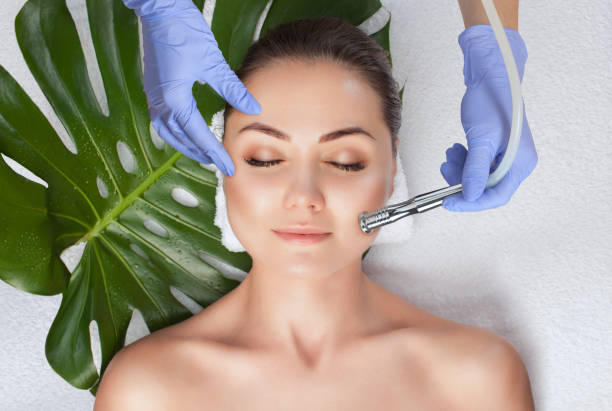
Medical skin care treatments are dermatology-based procedures designed to support skin health, improve tone and maintain long-term skin quality.
The goal is not only temporary glow, but healthier, cleaner and more balanced skin with a personalized dermatologic approach.
Medical skin care is a professional skin maintenance approach planned according to skin type, skin concerns and dermatologic needs. Unlike standard cosmetic skin care, medical skin care focuses on skin health, barrier support and long-term quality.
It may be used for dull skin, clogged pores, uneven tone, oily skin, dryness, sensitivity and maintenance after dermatology treatments.
What Is Medical Skin Care?
Medical skin care refers to professional skin care treatments performed with dermatologic evaluation and clinical-grade planning. It aims to cleanse, renew, hydrate and support the skin barrier.
Who Can Benefit from Medical Skin Care?
Benefits of Medical Skin Care
- Supports long-term skin health
- Improves skin freshness and brightness
- Helps reduce clogged pores and surface buildup
- Supports hydration and barrier balance
- Can improve overall skin texture and tone
- Helps maintain results after aesthetic dermatology treatments
How Is the Treatment Planned?
Medical skin care should be planned after evaluating skin type and current skin condition. Oily, acne-prone, dry, sensitive or pigmentation-prone skin may require different protocols.
The treatment may include cleansing, exfoliation, hydration, calming steps and active ingredient support depending on individual needs.
Medical Skin Care vs Cosmetic Skin Care
Cosmetic skin care is usually focused on surface-level appearance. Medical skin care is more structured and dermatology-based, with attention to skin health, tolerance and long-term maintenance.
This difference is especially important for patients with acne tendency, sensitive skin, pigmentation or post-procedure skin needs.
Skin Maintenance After Dermatology Treatments
Skin maintenance is important after treatments such as laser, microneedling, skin boosters or acne therapies. A well-planned maintenance routine may help preserve results and support skin recovery.
Medical skin care can be used as part of a broader dermatology treatment plan rather than a standalone beauty procedure.
Related Dermatology Treatments
Medical Skin Care in Izmir
If you are considering skin care izmir options, a dermatology-based plan can help determine which treatment is suitable for your skin type and concerns.
A personalized medical skin care approach supports healthier skin, better tone and long-term skin quality.
Frequently Asked Questions
Is medical skin care suitable for everyone?
Suitability depends on skin type, sensitivity and current skin condition. A dermatologic evaluation is recommended.
How often should medical skin care be done?
The frequency depends on skin needs and treatment goals. Some patients benefit from periodic maintenance sessions.
Can it help acne-prone skin?
It may support acne-prone skin by improving cleansing and maintenance, but active acne may require separate medical treatment.
Is there downtime?
Most medical skin care treatments have minimal downtime, although mild redness may occur depending on the protocol.
Can it be combined with laser or skin boosters?
Yes. Medical skin care can be used as a maintenance step before or after selected dermatology treatments.
For healthier, brighter and better-maintained skin, you can schedule a dermatology-based skin care consultation.